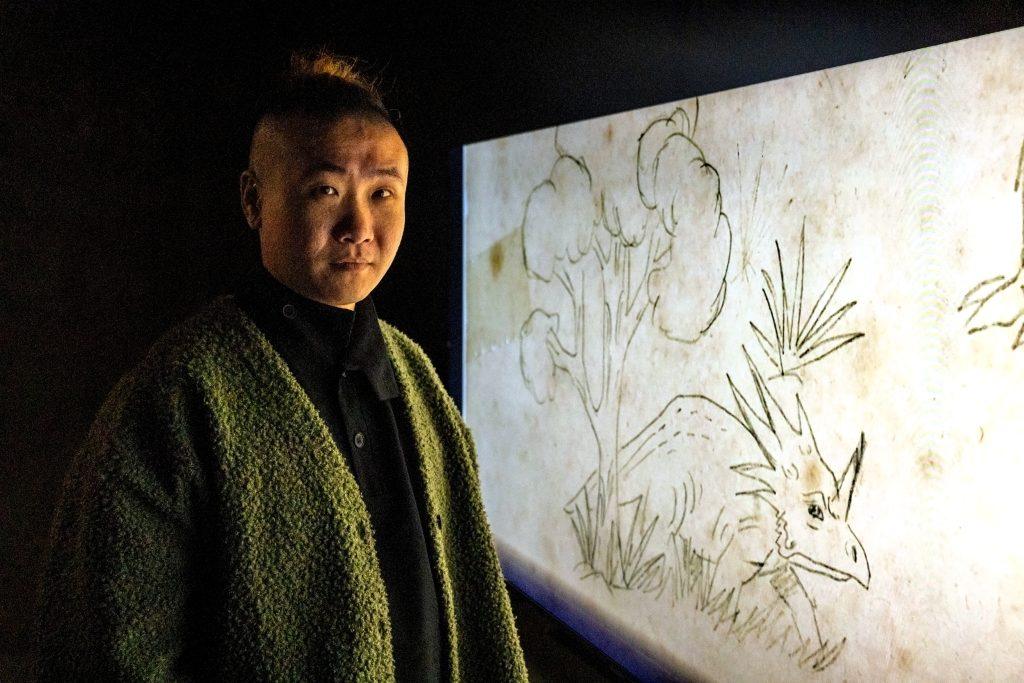




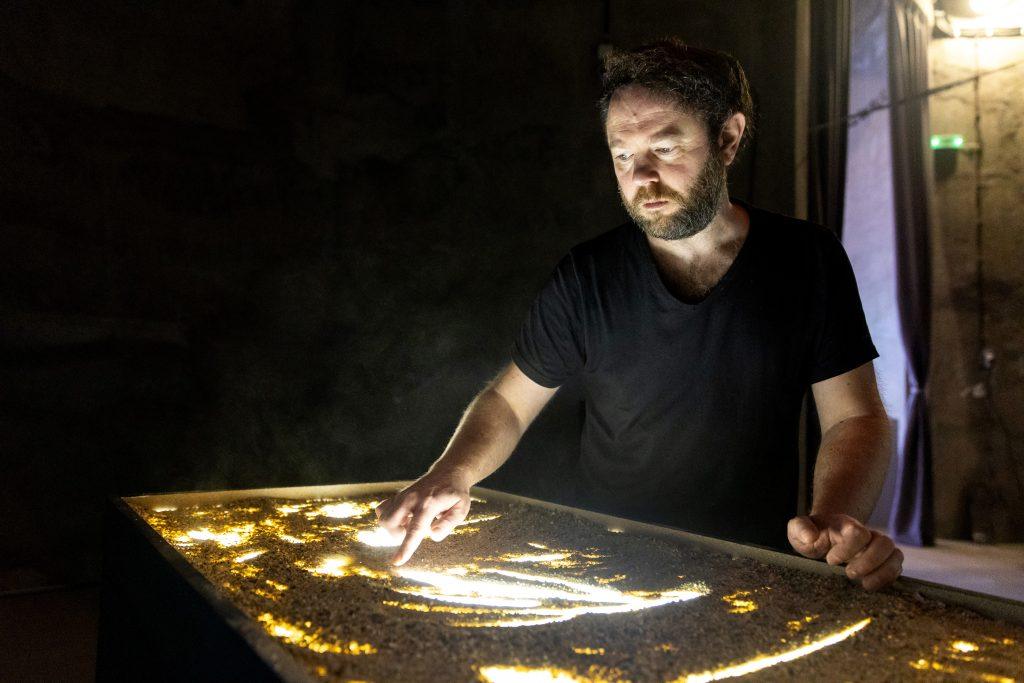


The Latent Landscapes project explores how human and machine perception shape reality through memory, suggestion, and interpretation. Using an interactive lightbox filled with sand, visitors draw shapes that the AI system then translates into visual sequences—a kind of Rorschach test for artificial intelligence. The installation raises questions about how we construct reality, both physically and cognitively, through the interaction between the senses, prior knowledge, and technological interpretation.
For the art+science portal, the project's author, Jeroen Cluckers, discusses the research process, the unexpected discoveries that emerged from the collaboration between humans and machines, and the role of art as a space for reexamining perception and imagination. The exhibition Trajectories of Technology was open until October 26 at KC Silosi, and we bring you an exclusive interview with the author below.
Can you explain the idea behind the project?
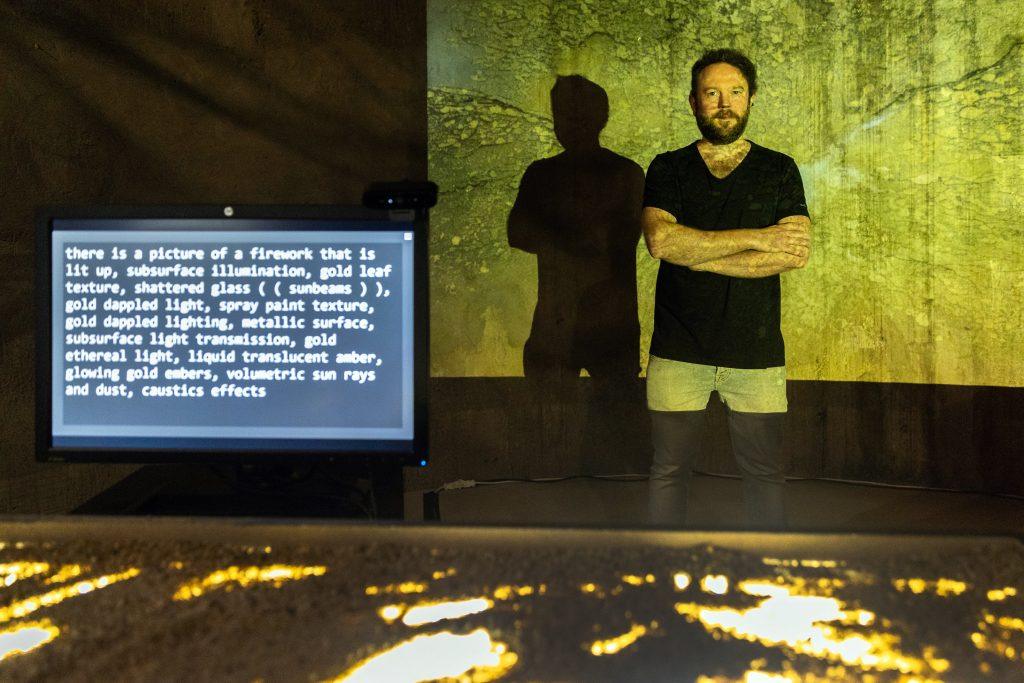
Latent Landscapes explores how both human and machine perception are shaped by memory, suggestion and interpretation. A lightbox filled with sand serves as a tactile interface: visitors draw into the sand, and the drawings they create are shown to an AI-model which translates this into prompts. In this way, I see this work as a Rorschach test for AI. The input is processed through PAIC, a self-developed AI pipeline (currently under patent review), which uses a custom-trained model based on historical image capturing techniques, ranging from glass plate photography and X-rays to VHS and analog film, to output new images. Every time an image is captured through a different medium, reality is 'reshaped' in a way.
The generated images are animated through frame interpolation, creating a continuous, evolving visual sequence. Each frame is sampled with different seeds and inference settings, resulting in a subtle, drifting journey through the model’s latent space. The installation reflects on how we construct reality, both physically and cognitively, through the interplay of sensory input, prior knowledge, and technological interpretation.
How was your experience working with AI to create this installation?
I've been working with AI for about six years now, so I had a fair amount of experience going in. Still, this project was an iterative and exploratory process, one that involved a lot of hands-on testing and fine-tuning.
The interaction between physical gesture (in sand) and machine interpretation revealed unexpected patterns and surprises, which often led me to train new models based on previous output images. In that sense, AI wasn’t just a tool.It actively helped shape the creative direction. Finding a balance between controlled parameters and emergent, poetic logic was central to the process, and ultimately what made it so rewarding.
Looking back on the process, was there a particular moment that stood out for you or that you especially enjoyed?
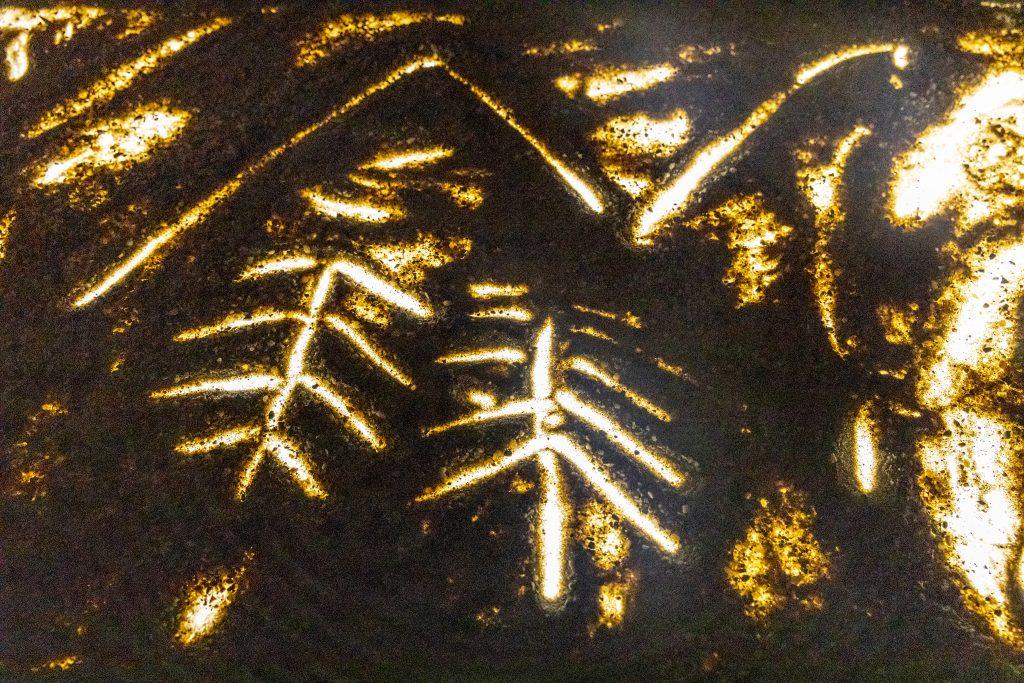
One strange and delightful discovery was the model’s tendency to see beds, cats or cake in even the most abstract sand drawings. But every now and then, the system would generate something astonishing, images that felt like lost memories or visions from a parallel world.
During one of the first public tests, a visitor said: “It feels like looking into the imagination of an artificial mind.” That comment really stayed with me. It captured something essential about the installation: this sense of peering into a strange yet familiar inner world.
Since the project explores our perception of “reality,” have you noticed any interesting reactions or insights from the audience when they encountered your installation?
Definitely. Visitors often remarked on the eerie familiarity of what they saw: how the images felt half-remembered, like visual fragments from a subconscious mind.
There was also an interesting dynamic where the system might generate an image - say, a bear - and then the visitor would start drawing a bear in the sand in response. It became a kind of feedback loop, a co-creation between human and machine where each was subtly influencing the other.
In that sense, the installation doesn't just simulate perception, it reflects on how meaning is shaped in real time, collaboratively, across boundaries of intelligence.